
Your Ultimate Kitchen Remodeling Guide: Planning Your Kitchen Remodeling Project

Remodeling a kitchen is an exciting opportunity to transform one of the most important spaces in your home. Whether you want to update the style, improve functionality, or increase your home's value, careful planning is essential. This guide will walk you through the key steps to plan your kitchen remodeling project effectively, ensuring a smooth process and a stunning result.
Understanding Your Needs and Setting Goals: Kitchen Remodeling Guide
Before diving into design ideas or shopping for materials, take time to assess your current kitchen and identify what you want to change. Ask yourself:
What do I like and dislike about my current kitchen?
How do I use my kitchen daily? Cooking, entertaining, storage?
What problems do I want to solve? Lack of space, poor lighting, outdated appliances?
What style or atmosphere do I want to create? Modern, rustic, minimalist?
Setting clear goals will help you make decisions later and keep the project focused. For example, if you love cooking for family gatherings, prioritize a large island and ample counter space. If storage is a challenge, plan for additional cabinets or smart storage solutions.
Budgeting and Timeline: Kitchen Remodeling Guide
One of the most critical parts of planning is establishing a realistic budget and timeline. Kitchen remodeling can vary widely in cost depending on the scope, materials, and labor. Here are some tips to help you set your budget and schedule:
Research average costs in your area for materials, appliances, and labor.
Prioritize spending on elements that matter most to you, such as high-quality countertops or energy-efficient appliances.
Include a contingency fund of 10-20% for unexpected expenses.
Plan your timeline with milestones like design finalization, ordering materials, demolition, installation, and finishing touches.
Consider your daily routine and how long you can manage without a fully functional kitchen.
Having a clear budget and timeline will help you communicate effectively with contractors and avoid surprises.
Designing Your Kitchen Layout
The layout is the backbone of your kitchen’s functionality. Popular kitchen layouts include:
L-shaped: Efficient for small to medium spaces, offering good workflow.
U-shaped: Provides ample counter space and storage, ideal for larger kitchens.
Galley: Two parallel counters, great for narrow spaces.
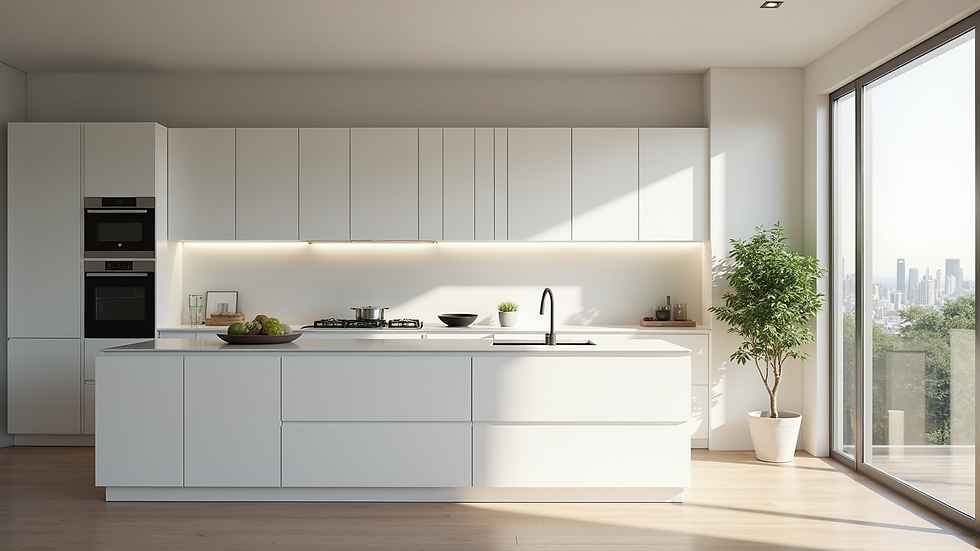
Island: Adds workspace and seating, perfect for open floor plans.
When designing your layout, consider the "work triangle" concept, which connects the sink, stove, and refrigerator. This helps minimize movement and makes cooking more efficient.
Also, think about lighting, ventilation, and traffic flow. For example, placing the sink near a window can provide natural light, while a range hood will improve air quality.
Choosing Materials and Appliances
Selecting the right materials and appliances can make a big difference in both aesthetics and durability. Here are some recommendations:
Countertops: Quartz is durable and low maintenance, granite offers natural beauty, and butcher block adds warmth.
Cabinets: Solid wood is classic and sturdy, while laminate is budget-friendly and versatile.
Flooring: Tile is durable and easy to clean, hardwood adds warmth, and vinyl is cost-effective.
Appliances: Look for energy-efficient models with features that suit your cooking style.
Don’t forget to coordinate colors and finishes to create a cohesive look. For example, stainless steel appliances pair well with modern cabinetry, while warm wood tones complement rustic designs.
Hiring Professionals and Managing the Project
Depending on the complexity of your project, you may need to hire professionals such as designers, contractors, electricians, and plumbers. Here’s how to manage this process:
Get multiple quotes and check references.
Verify licenses and insurance to protect yourself.
Communicate your goals clearly and provide detailed plans.
Set expectations for timelines and payments.
Stay involved by visiting the site regularly and addressing issues promptly.
Good communication and organization will help keep your kitchen remodeling project on track and reduce stress.
Final Touches and Enjoying Your New Kitchen
Once construction is complete, focus on the finishing touches that make your kitchen truly yours:
Add decorative elements like backsplashes, lighting fixtures, and hardware.
Organize your storage with drawer dividers, pull-out shelves, and pantry solutions.
Personalize the space with plants, artwork, or colorful accessories.
Enjoy the improved functionality and beauty of your new kitchen. Remember, a well-planned kitchen remodeling project not only enhances your home but also your daily life.
Planning your kitchen remodeling project carefully will ensure a successful transformation. By understanding your needs, setting a budget, designing a functional layout, choosing quality materials, and managing professionals effectively, you can create a kitchen that is both beautiful and practical. For more detailed ideas and inspiration, explore resources on kitchen remodeling.


